SenseCAP MeshPager X2 Series Introduction
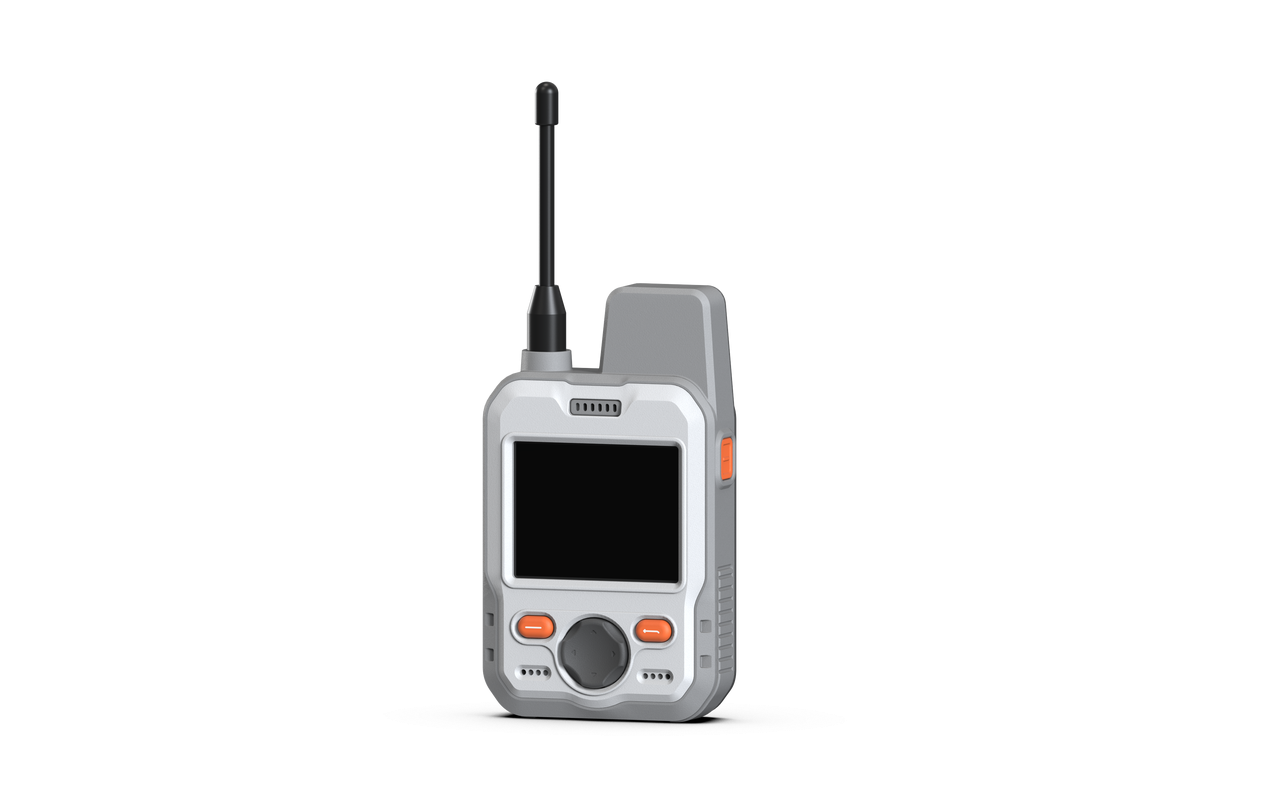
The SenseCAP MeshPager X2 Series offers standalone handheld Meshtastic® communicators for off-grid messaging and location sharing. Powered by the ESP32-S3 and the Wio-LR2021 module based on Semtech LR2021, it combines 863–928 MHz LoRa, Bluetooth LE, and Wi-Fi with dual-band GNSS, a 2.0-inch IPS display, physical controls, and a 3400 mAh battery. With up to 7 days of runtime and up to 10 km line-of-sight communication tested at 915 MHz, you can compose messages, read conversations, and track locations directly on X2 without a smartphone.
Features
-
Standalone Communication and Easy Carrying: Type text, view messages, and track locations directly on the 2.0-inch display using the physical controls. The compact body includes a metal belt clip and lanyard loop for attaching X2 to a backpack, belt, or apparel, wearing it on a lanyard, or carrying it in a pocket.
-
Next-Generation LoRa and Long Range: Semtech LR2021 supports 863–928 MHz, with receiver sensitivity down to −141 dBm and communication over up to 10 km in line-of-sight conditions, tested at 915 MHz. The external 70 mm flexible whip antenna supports long-range communication for teams in remote environments.
-
Dual-Band GNSS and Elevation Awareness: The AG3335MV/B provides L1 + L5 dual-band positioning for challenging outdoor environments, including tree cover and canyons. A built-in barometer supplies atmospheric-pressure measurements for real-time elevation tracking, complementing GNSS location information on the trail.
-
Up to One Week of Battery Life with USB-C: The 3400 mAh battery provides up to 7 days of continuous runtime for multi-day outdoor trips. USB-C supports charging, firmware updates, and debugging.
-
IP66 Outdoor Protection: The IP66-rated enclosure protects against dust and heavy rain for outdoor use in demanding conditions.
-
Built-In Sensors, Expandable Storage, and Audio Hardware: A barometer, magnetometer, and gyroscope provide atmospheric, heading, and motion data. The microSD card slot supports offline maps and data logging with compatible firmware. The integrated microphone and speaker provide hardware for future voice-messaging updates.
Actual communication range and battery runtime vary with device settings, usage, terrain, and operating conditions.
Specification
| Item | Parameter |
|---|---|
| Processor | Espressif ESP32-S3R8, dual-core, up to 240 MHz |
| LoRa | Wio-LR2021 (Semtech LR2021) |
| Frequency Range: 863–928 MHz | |
| GNSS | AG3335MV/B, dual-band L1 + L5 positioning |
| Memory | 32 MB Flash / 8 MB PSRAM |
| Antenna | External LoRa antenna, RP-SMA male connector |
| Frequency Range: 863–928 MHz | |
| Dimensions: Ø10.5 × 70 mm | |
| Peak Gain: 0.32 dBi | |
| Max Efficiency: 48.7% | |
| Wireless Connectivity | Wi-Fi: 2.4 GHz |
| Bluetooth 5.0 | |
| Interface | USB Type-C |
| MicroSD card slot (1-bit SDIO/SDMMC) | |
| Power Input | USB Type-C: 5 V DC |
| IPS Display | Size: 2.0 inch |
| Resolution: 240 × 320 pixels | |
| Button | Power × 1 Directional buttons × 4 Confirm × 1 Return × 1 |
| Audio | Microphone: Analog microphone with ES7243E ADC Output: ES8311 codec and NS4150B speaker amplifier |
| Communication Distance | Up to 10 km (line of sight, tested at 915 MHz) |
| IP Rating | IP66 |
| Dimension | 110.6 × 64.3 × 26.85 mm |
Battery
| Item | Parameter |
|---|---|
| Battery Capacity | 3400 mAh |
| Charging Port | USB Type-C (charging, firmware flashing, and data transfer) |
| Device Power Input | 5 V DC |
| Operating Temperature (Discharging) | -20°C to 60°C |
| Charging Temperature | 5°C to 45°C |
Battery temperature conditions
The battery cell specifies different currents across these temperature ranges:
- Discharging: 0.2C from -20°C to 15°C; 0.5C from 15°C to 60°C.
- Charging: 0.2C from 5°C to 15°C; 0.5C from 15°C to 45°C.
Avoid prolonged charging or discharging at the temperature limits.
Hardware overview
| Component | Function |
|---|---|
| Front display | Messages, node information, GNSS status, and maps |
| Direction keys | Menu navigation, on-screen keyboard selection, and map panning |
| Confirm / Return | Select an item or return to the previous view |
| Power key | Power control and screen off/wake |
| Flexible LoRa antenna | Sub-GHz mesh radio connection |
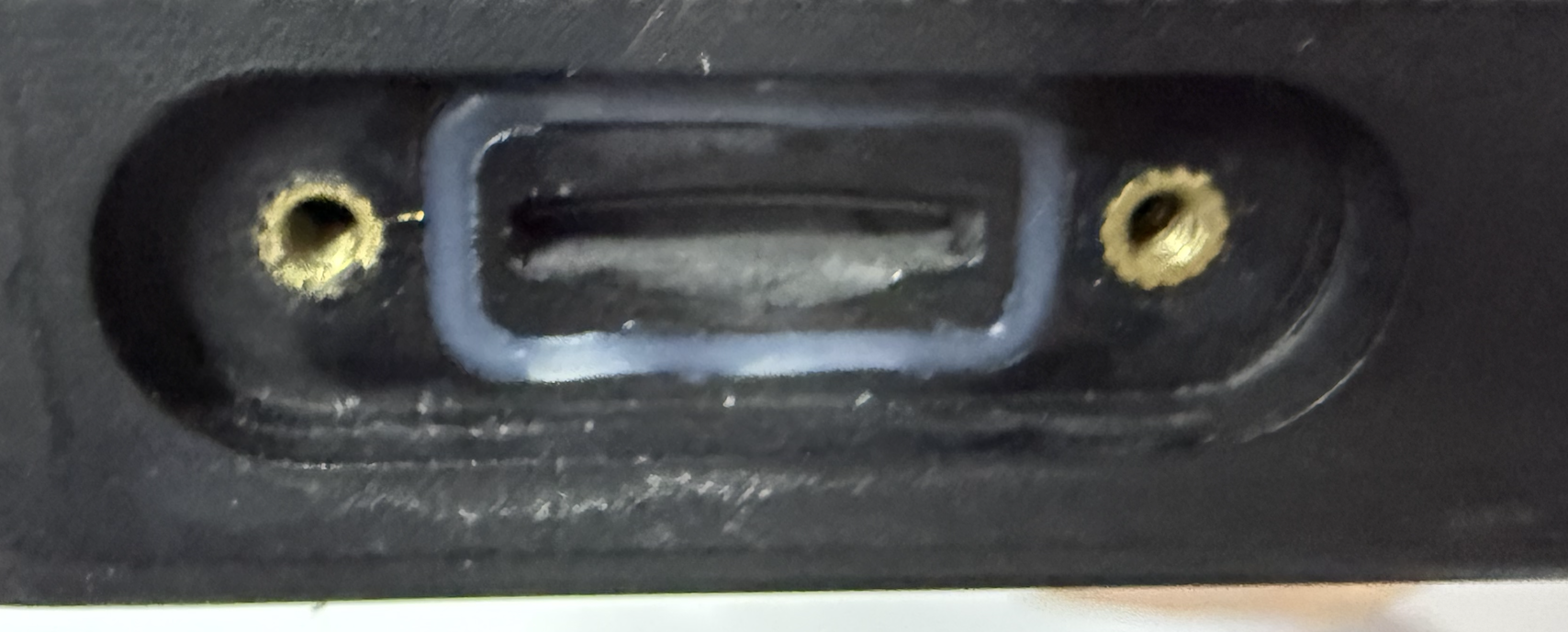
| USB-C port | Charging and connection to a computer |
| microSD card slot | Storage for offline map tiles |
| Microphone and speaker | Audio input and output |
| Barometer | Atmospheric-pressure measurements for elevation tracking |
| Metal belt clip and lanyard loop | Attach X2 to a belt, backpack, or lanyard |
For setup and button operations, see Get Started with MeshPager X2 Series.
Pin List
ESP32-S3 pin assignments
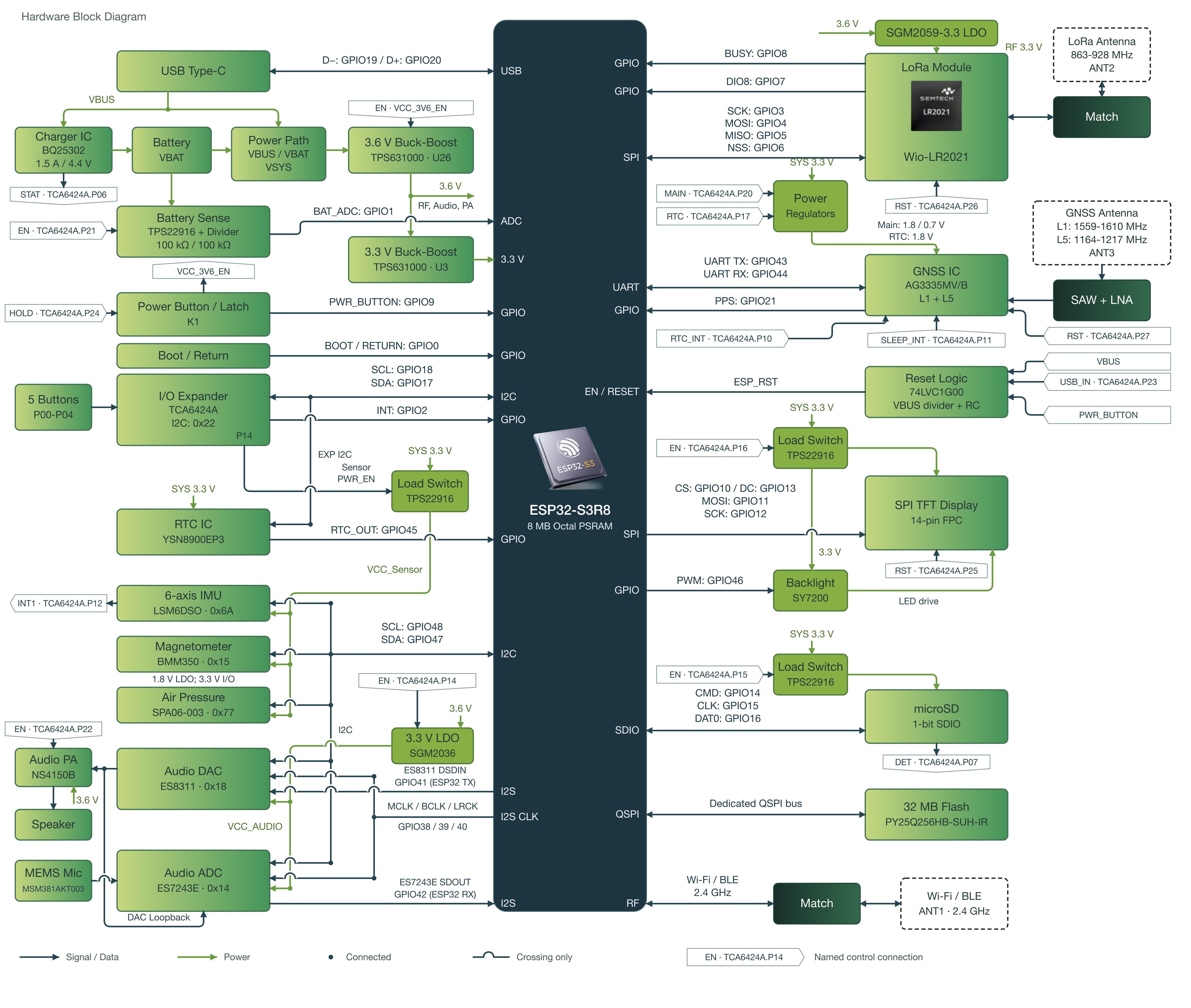
These assignments follow the MeshPager X2 V1.0 schematic. GPIO numbers identify ESP32-S3 signals, not package pin numbers.
| Function | Signal | ESP32-S3 GPIO |
|---|---|---|
| Return / BOOT key | ESP_BOOT/Return | GPIO0 |
| Battery voltage | BAT_ADC | GPIO1 |
| Expander interrupt | EXP_I2C_INT1 | GPIO2 |
| LoRa SPI clock | LR_SPI_SCK | GPIO3 |
| LoRa SPI data out | LR_SPI_MOSI | GPIO4 |
| LoRa SPI data in | LR_SPI_MISO | GPIO5 |
| LoRa chip select | LR_NSS | GPIO6 |
| LoRa interrupt | LR_DIO8 | GPIO7 |
| LoRa busy | LR_BUSY | GPIO8 |
| Power key | PWR_BUTTON | GPIO9 |
| TFT chip select | TFT_CS | GPIO10 |
| TFT SPI data | TFT_SDA | GPIO11 |
| TFT SPI clock | TFT_SCK | GPIO12 |
| TFT data/command | TFT_A0 | GPIO13 |
| microSD command | SD_CMD | GPIO14 |
| microSD clock | SD_CLK | GPIO15 |
| microSD data | SD_DAT0 | GPIO16 |
| Expander / RTC I2C | SDA / SCL | GPIO17 / GPIO18 |
| Native USB | D− / D+ | GPIO19 / GPIO20 |
| GNSS pulse-per-second | AG_PPS0 | GPIO21 |
| Audio master clock | CODEC_I2S0_MCLK | GPIO38 |
| Audio bit clock | CODEC_I2S0_SCLK | GPIO39 |
| Audio word clock | CODEC_I2S0_LRCK | GPIO40 |
| Audio playback data | CODEC_I2S0_DSDIN | GPIO41 |
| Audio capture data | CODEC_I2S0_SDOUT | GPIO42 |
| GNSS UART | MCU TX / MCU RX | GPIO43 / GPIO44 |
| RTC output | RTC_OUT | GPIO45 |
| TFT backlight | TFT_PWM | GPIO46 |
| Sensor / audio I2C | SDA / SCL | GPIO47 / GPIO48 |
I/O expander and I2C devices
I/O Expander
The TCA6424A is at I2C address 0x22. Port names such as P14 identify expander pins, not ESP32-S3 GPIOs.
| TCA6424A port | Schematic signal / function |
|---|---|
| P00 / P01 / P02 / P03 | Up / Down / Left / Right |
| P04 | Confirm |
| P05 | Test point TP47 |
| P06 | CHARGER_STAT, charger status |
| P07 | EXP_SD_DET, microSD detection |
| P10 / P11 | AG_RTC_INT / AG_SLEEP_INT, GNSS interrupts |
| P12 | IMU_INT1, motion-sensor interrupt |
| P13 | Test point TP41 |
| P14 | VCC_SEN_EN, sensor and audio-supply enable |
| P15 | VCC_SD_EN, microSD power enable |
| P16 | VCC_TFT_EN, TFT and backlight-supply enable |
| P17 | AG_VRTC_EN, GNSS backup-supply enable |
| P20 | AG_PWR_EN, GNSS main-supply enable |
| P21 | VBAT_ADC_EN, battery-measurement enable |
| P22 | AUDIO_PA_EN, speaker-amplifier enable |
| P23 | USB_IN, USB-input detection |
| P24 | PWR_HOLD, main-power latch |
| P25 / P26 / P27 | TFT / LoRa / GNSS reset |
I2C Devices
| Bus | Device | Address shown in schematic |
|---|---|---|
| GPIO17 SDA / GPIO18 SCL | TCA6424A I/O expander | 0x22 |
| GPIO47 SDA / GPIO48 SCL | LSM6DSO motion sensor | 0x6A |
| GPIO47 SDA / GPIO48 SCL | BMM350 magnetometer | 0x15 |
| GPIO47 SDA / GPIO48 SCL | SPA06-003 barometer | 0x77 |
| GPIO47 SDA / GPIO48 SCL | ES8311 codec | 0x18 |
| GPIO47 SDA / GPIO48 SCL | ES7243E ADC | 0x14 |
In the V1.0 schematic, BMM350's ADSEL pin is pulled high through R147 (10 kΩ), selecting 0x15. ES7243E uses 0x14, so the two devices have distinct addresses on the shared I2C bus.
Hardware integration notes
- Antenna: Specifications are for the M02-0401060R0A and use the supplier's reference test setup. Select the device's LoRa region according to local regulations.
- Battery: Use the specified X2 battery, rated for 4.4 V charging, with its temperature-sensing connection. Do not substitute a cell rated for a maximum charge voltage of 4.2 V.
- Flash: X2 has 32 MB of external flash. The V1.0 schematic specifies PY25Q256HB-SUH-IR. Use the partition layout supplied with the matching firmware package.
- Buttons and power detection: Return connects to ESP32-S3
GPIO0. TCA6424AP06provides charger status andP23provides USB-input detection;P05andP13connect to test points TP47 and TP41. - Radio: LoRa uses the module's
Sub-G_RFconnection. Its2.4G_RFport is unconnected; Wi-Fi and Bluetooth use the ESP32-S3 antenna path.
Application
- Off-grid team communication: Exchange text messages and share locations with other Meshtastic nodes when cellular or Wi-Fi service is unavailable.
- Hiking and camping: View GNSS position and preloaded offline maps directly on X2. Use the physical buttons to compose and read messages without a smartphone.
For setup and operation, see Get Started with MeshPager X2 Series.
Document
Tech Support & Product Discussion